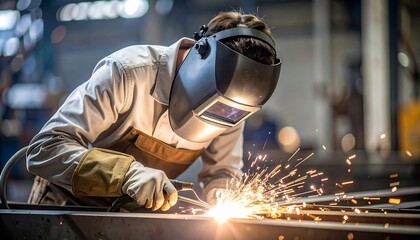
Metal elements are a key component in modern building designs, adding both function and aesthetic appeal. From structural supports to decorative railings, custom-fabricated architectural metal can add a distinctive touch to any construction project.
Learn more about how stainless steel and aluminum fabrication are reshaping modern architecture. Plus, find out what to look for when choosing a metal fabricator. Visit Architectural Metal Works for more information.
CNC Plasma Cutting Tables
Metal fabrication is commonly used to build structural components and other parts for a variety of industrial applications. It is also widely embraced by artists and sculptors who use this technology to bring their creative visions to life with unique and impressive metal pieces.
From the impressive exteriors of commercial spaces to the detailed handrails inside contemporary residences, architectural metal work elevates projects with visual appeal and durability. Custom-fabricated metal components can add a sense of style, strength and beauty to all aspects of building construction, including walls, columns, staircases and facades.
Successful custom metal fabrication projects start with a careful planning and design phase. This is where engineers, fabricators and clients collaborate to define the project goals, specifications and budget. Detailed drawings and 3D models are then created to provide a visual representation of the final product.
Plasma cutting is one of the most powerful and efficient ways to cut steel, aluminum and iron for a variety of different industrial applications. Industrial CNC plasma cutting tables are capable of handling thick metals up to an inch in thickness, and they operate with precision for the most accurate cuts possible.
The CNC in CNC plasma cutting stands for computer numeric control, which means that the machine can be programmed to automatically guide the torch based on instructions in a part program. This eliminates the need for human intervention during the fabrication process, reducing errors and waste. Typically, only a single technician is needed to operate a CNC plasma cutting table, making this technology ideal for smaller fabrication shops and operations. ShopSabre offers a selection of high-quality and durable industrial CNC plasma tables. We are proud to offer 100% American-made tables from Lincoln Electric that deliver fast, precise cutting results and easy operation.
CAD/CAM
While many people think of’metal fabrication’ as a strictly industrial process, architectural metal work is more than just welding and bending. It requires a rare blend of technology, design, quality and craftsmanship that brings a client’s vision to life.
From the sleek lines of a skyscraper’s facade to the durability of industrial equipment, custom metal fabrication is a critical part of modern construction and architecture. Understanding the step-by-step journey that transforms raw materials into innovative, durable and functional products is key to embracing this dynamic industry.
CAD, or Computer Aided Design, is the computer software that’s used to help design a product before it’s actually made. This software helps engineers and designers create 2D technical drawings and 3D models, reducing the need for physical prototypes. The latest innovations in CAD software can even make it possible to use virtual reality (VR) and augmented reality (AR) to experience the design in a simulated real-world context, eliminating the need for costly changes during construction.
The CAM, or Computer Aided Manufacturing, part of a CAD program is the software that’s used to control CNC machines. This software automates some tasks and provides more accurate data than manual methods, resulting in reduced error and cost. It also allows a single engineer to manage multiple machines, boosting efficiency and productivity.
CAD/CAM is also evolving with advances in additive manufacturing (3D printing) and robotics. 3D printing can produce complex shapes with little to no machining, which is especially useful for prototyping and small-batch production. Robotics are also transforming the way that CAD/CAM is used, allowing for greater precision and automation. This is a boon for industries that need dependable timelines and tight control of the manufacturing process, like automotive or aerospace.
Stainless Steel
Architectural metal fabrication is a crucial process in modern building design, blending functionality and aesthetics to create stunning and durable structures. Innovative metal fabrication techniques and materials like stainless steel are driving this evolution, enabling architects to bring their designs to life with greater precision and creativity.
Stainless steel is an iron-based alloy that combines chromium, nickel and, in some cases, other metals to offer durability and corrosion resistance. The most common classification is austenitic stainless steel, which is typically used for structural applications because of its tensile strength and good weldability. This grade of stainless steel also possesses superior heat resistance, allowing it to resist damage and warping under high temperatures.
For decorative applications, designers use a wide variety of metals. For example, stainless steel is often used in staircases and railings to add visual interest to buildings. In addition, the versatility of this material allows for customization. For instance, it can be coated in a wide range of colors and finishes to complement the overall look of a structure.
Other metals also have their own unique characteristics that make them ideal for architectural applications. Copper, for example, is valued for its aesthetic appeal and durability. This material is often used in stairs, lighting fixtures and ornamental features. It can also be shaped into stand-alone sculptural components.
The cliche “form follows function” is never more true than in the realm of architectural metals. This specialized field requires a seamless blend of technology, engineering and craftsmanship to deliver projects that meet the highest standards for both design and fabrication. Without this combination, the end result will be less than spectacular. Fortunately, the right team of professionals can achieve the perfect balance between form and function, delivering stunning and durable results that are sure to impress clients.
Aluminum
Metal elements enhance the aesthetics and functionality of commercial and residential buildings. From intricate facades to sleek staircases, custom-fabricated metal pieces elevate the entire design of a building by adding personality and craftsmanship to spaces. The right fabricator can bring your architectural vision to life with personalized, premium materials and high-quality fabrication techniques.
Every fabrication project starts with an idea. Engineers and designers collaborate with clients to define specifications and create blueprints using CAD (Computer-Aided Design) software. They may also build a prototype or 3D model to visualize the finished product. This stage is critical to ensure a quality result and minimizes mistakes during production.
Once the design is finalized, a fabrication company begins cutting and shaping metal to meet specific dimensions and requirements. They may use methods like shearing, sawing, laser cutting, punching, rolling, and stamping to form the material into desired shapes. For example, a fabrication company might use a tube laser to cut precise and detailed patterns for metal panels or decorative elements.
Metal is one of the most reliable materials used in construction because it can withstand heavy loads and last for decades. In addition, metal is one of the best construction materials to resist corrosion. Architectural metal components that are fabricated with precision fit better and perform well, which speeds up construction timelines and saves time and money.
Aluminum is one of the most versatile and lightweight metals used in architecture. It can be fabricated to a variety of finishes and textures, and it’s a good choice for outdoor projects because it is weather-resistant. It also has a low density, making it easy to work with and transport.
Choosing the right fabricator for an architectural project requires a thorough research process. You should consider factors like experience and expertise, customization options, pricing and budget considerations, communication and project management skills, certifications and safety measures, and customer testimonials and reviews.
Copper
Copper is a metal and chemical element with high electrical conductivity, corrosion resistance, malleability (it can be easily shaped into complex forms), and instantly recognizable color. It can be used in its pure form, or it can be combined with other metals to create alloys like bronze (copper and tin) and brass (copper and zinc). Copper is also a sustainable material as it can be recycled repeatedly without losing its properties.
The process of bending and shaping metals to create custom architectural elements involves several steps. A skilled fabricator will use CAD (Computer-Aided Design) software to develop detailed blueprints, and may also create prototypes or 3D models to help clients visualize the final product. The timeline for fabrication varies depending on the complexity of the project and how quickly client approval can be obtained.
It is important to choose a fabricator that can provide cost estimates and deliver quality work in a timely manner. They should have established safety protocols and be certified by reputable organizations like ISO 9000. The company should also have the tools and expertise to handle projects of any size, whether large or small.
Whether you are an architect working on an impressive new building, or a homebuilder seeking to elevate your space with one-of-a-kind metalwork, the right team can make it happen. Advanced fabrication techniques and materials can be the key to unlocking creativity and achieving results that exceed your expectations. Contact the Minerva Welding & Fabricating team to learn more about how we can bring your vision for your next build to life with custom metal solutions. Our experts are ready to answer your questions and guide you through the possibilities!